
Hood Box Office: From Street Stories to a Wider Network

Updated: 5 days ago
Ask a viewer where they first saw a hood documentary, and you will usually hear a street name, a friend's phone, or a late-night upload. Those small, local starting points are how a catalog of uncut street content finds people far from the neighborhoods it documents. Hood Box Office has built its library on that principle since 2003, and its reach now extends well beyond the original audience. This article explains how a niche network moves from the street to a wider audience, and why specific storytelling travels better than generic urban content. We will not publish a stream tally here, because a headline number without its definition tells you very little.
Table of Contents
Quick Takeaways
Key Insight | Explanation |
|---|---|
Authenticity travels | Uncut, unpolished stories from specific neighborhoods find viewers who recognize the real thing, even when they live on another continent. |
Stream totals need definitions | Compare play counts only when you know whether a play means a start, a minimum watch time, or a finished episode. |
Global reach starts local | Titles that name a block, a city, or a scene give international viewers a concrete entry point instead of a vague idea of urban life. |
Subscriptions fit niche catalogs | Premium access at $29.99 per month pays for exclusive content directly from fans who want it, rather than chasing advertisers who prefer broad appeal. |
Streetwear proves the appetite | Market projections for streetwear point to sustained global demand for the look, sound, and attitude that began on local streets. |
Editing should not sanitize | Removing the context that makes a story true usually costs more viewers abroad than it gains, because they stay for detail they cannot find elsewhere. |
From a Neighborhood Audience to a Global One
Most streaming catalogs begin with a broad audience in mind and narrow later. Hood Box Office worked the other way around. The early work was about getting the street right: the slang, the rhythm of a corner, and the people who would not perform for a camera. That specificity gave the catalog its first loyal audience and, over time, its first viewers in other countries.

In practice, the viewers who travel furthest are not looking for a generic version of urban life. They want the version that feels specific enough to be believed. A documentary that names a particular block, a particular set of pressures, and a particular group of voices gives a viewer in another country something solid to hold. Vague "urban" content tends to fade the moment it leaves the place where it was made.
A common mistake among new creators is to sand down the local detail to make the work feel more accessible. It usually backfires. Accessibility for international viewers comes from clear storytelling and strong subjects, not from removing the context that makes the story worth watching. A viewer who has never been to the neighborhood can follow a well-told story, but they cannot follow a story that has been emptied out.
The lesson for anyone building a catalog like this is simple. Specificity is the asset. The more precisely a title describes its place and its people, the easier it is for someone on the other side of the world to decide that it is for them.
Why Street Culture Travels Further Than Expected
Street culture has moved from the margins of fashion into mainstream commerce. Fortune Business Insights projects the global streetwear market at $397.97 billion in 2026, rising to $734.05 billion by 2034 at a compound annual growth rate of 7.95%. Those figures measure clothing, not streaming, but they point to the same underlying fact: audiences around the world are paying for styles that started on local streets.
A Hypebeast industry report makes a related argument, pointing to how streetwear has reshaped fashion from creative development through to marketing. The practical lesson for a streaming network is that street-born formats now influence how the mainstream sells things. A hip-hop documentary or a street interview series is not a niche oddity to a large part of the global audience. It is a language that many people already speak, even if they have never visited the city where it began.
Hip-hop as a shared reference point
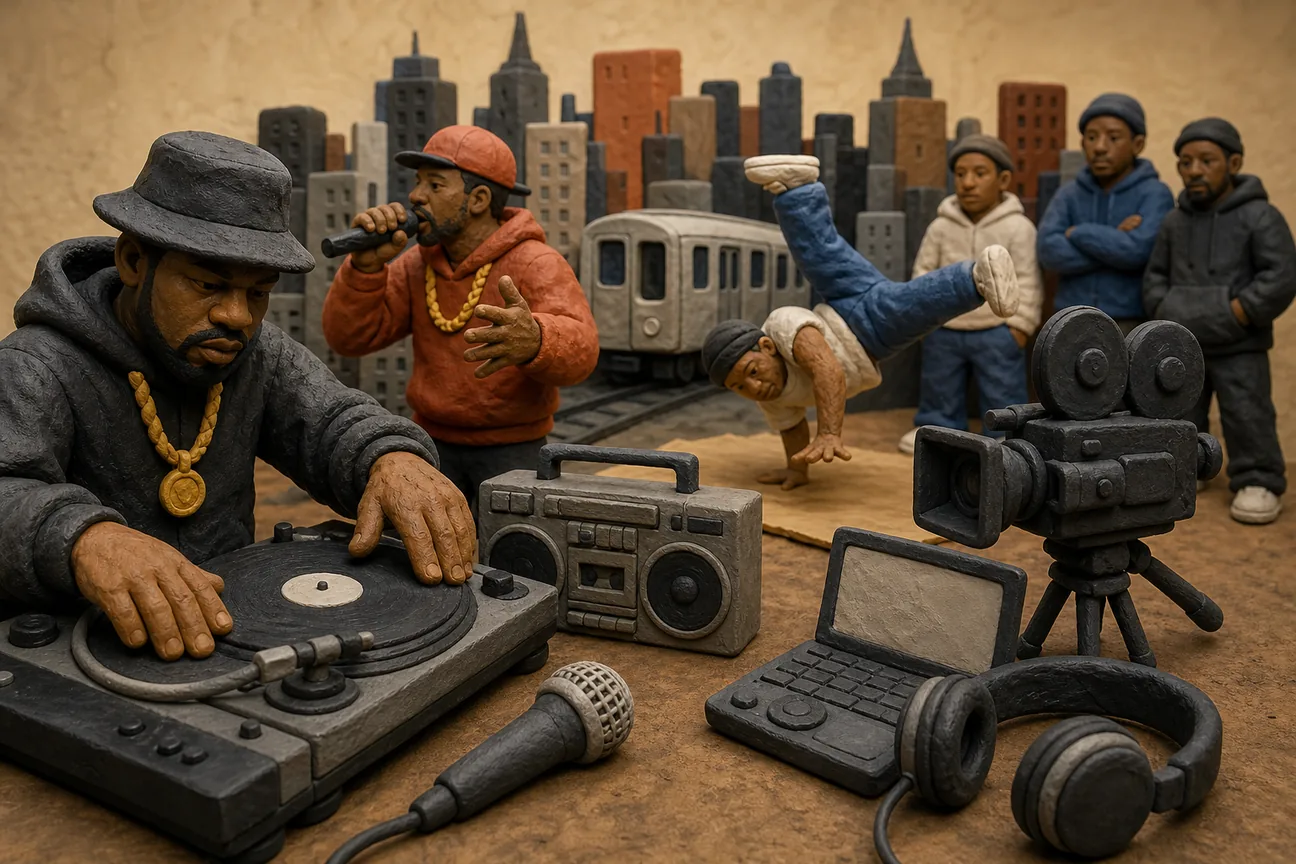
Hip-hop gives international viewers a common vocabulary. A fan in one country may know the artists, the beats, and the slang from a playlist, then want to know where the sound came from. That curiosity is the bridge a documentary can use. The best titles treat music as a doorway into the lives behind it, not as background noise.
Context that helps a viewer abroad
For a viewer outside the original community, the most useful thing a network can add is a short framing note, a clear title that names the place, and captions where they are needed. These steps do more for a new viewer than any amount of promotional copy. They tell the viewer what they are about to see and why the people on screen matter.
Pro tip: When you program for a mixed audience, tag each title by city, scene, and era. International viewers can then find a starting point without guessing, and they are far more likely to watch a second title.
What a Stream Really Counts As
The word "streams" sounds simple until you ask what gets counted. A play can mean that a viewer pressed start, that they watched for a minimum amount of time, or that they finished the piece. Each definition produces a different total, and none of them tells you how many people actually cared about what they watched.
How counting rules differ across services
Many services only count a play after a minimum amount of watch time, while others count the moment a video begins. Some combine plays across devices, episodes, and regions, which can make a headline total look larger than the number of individual viewers. When you compare totals from different sources, check the rules first. Otherwise you are comparing two different things under one label.
Why a big total is a rough number
Summing plays across titles, languages, and devices can count the same person many times. A viewer who watches three episodes in one evening adds three to the total. That is not wrong, but it is not the same as three hundred thousand people each watching one episode. Treat large totals as a sign of activity, then ask harder questions about who is returning.
A stream total tells you that people pressed play. Completion rates and return visits tell you that they stayed.
In practice, the metrics that matter for a niche network are completion, repeat viewing, and which episodes viewers share with someone else. These numbers are harder to inflate and far more useful when you decide what to produce next. A title that gets finished and recommended is worth more to a catalog than one that gets a quick click and disappears.
Reaching Viewers Outside the Block
Nielsen's 2023 streaming review reported that streaming accounted for more than one-third of total TV usage in February 2023, and that it stayed above 35% from May 2023 onward. For a niche network, that shift matters because the living room screen is no longer reserved for broadcast. Viewers who would never have found a hood documentary on traditional television now see it on the same device as everything else they watch.

Discovery through shared clips and search
Discovery usually comes from a friend, a short clip passed along a group chat, or a search for a specific neighborhood name. The title and description do most of the work here. A description that names the place, the people, and the subject gives search and recommendation systems something to match, and gives the viewer a reason to click.
Why the library has to hold up after the first episode
International viewers who arrive through one title will judge the rest of the library quickly. If the next few titles are thin, repetitive, or hard to find, they leave. A steady rhythm of new documentaries, interviews, and series keeps a viewer who came for one story around long enough to become a subscriber.
The practical test is simple. After someone finishes a title, can they find the next one in two clicks? If not, the catalog is leaking viewers at the exact moment they were most interested.
The Economics of a Subscription Network for a Niche Audience
Hood Box Office charges $29.99 per month for premium access. For a niche catalog, the subscription model does a specific job. It pays for exclusive content directly from the viewers who want it, rather than from advertisers trying to reach a broad audience that may not share the same interests.
Ad-supported models reward volume and broad appeal. A catalog of uncut street content does not always fit advertiser preferences, and frank storytelling can be harder to sell against. A subscription aligns revenue with the audience that values the work, which means the network can make decisions for that audience instead of for the average viewer.
What subscribers are paying for
Subscribers pay for exclusivity, for unfiltered content that they cannot find on a general service, and for a sense that the catalog is built by people who understand the culture. The price is only justified when the content delivers on those points consistently. A subscriber who feels they are getting the same material everywhere else will cancel without much thought.
Where a subscription model can fail
The most common failure is not price. It is discovery. If subscribers cannot tell what is new each month, or if they do not know where to start, churn rises even when the library is strong. A predictable release schedule, clear category labels, and a short list of recommended starting points solve most of this.
Pro tip: Before you raise a monthly price, count how many titles a typical subscriber watches in their first month. If the answer is one, the problem is discovery, not price, and a better onboarding path will do more than a discount.
Uncut Content and the Question of Authenticity
"Uncut" and "uncensored" are promises that carry risk. Viewers can tell when a story has been shaped to flatter or to avoid discomfort, and they notice faster than most advertisers do. Once a viewer decides a catalog is performing authenticity rather than practicing it, the trust is hard to rebuild.
In this space, authenticity means letting subjects speak in their own words and keeping the context of their lives on screen. It does not mean glorifying harm or treating every hard situation as entertainment. The strongest titles hold both truths at once: the people are real, and the situations they describe deserve careful framing.
Editing without sanitizing
Editing decisions are where authenticity is won or lost. Cutting a sentence because it is uncomfortable can remove the reason the sentence mattered in the first place. A good editor asks whether a cut protects the subject or protects the brand, and the answer should be the subject. Leave in the detail that makes a story specific, and cut only what adds nothing.
Respecting the people on camera
Subjects who appear in street documentaries are not props. They take real risks by speaking openly, and they deserve clear information about how their words will be used. Practitioners who work this way tend to earn more trust, which in turn brings better interviews and more honest access to the next story.
Viewers forgive rough edges. They do not forgive being managed.
How the Main Options Compare for Global Street Culture Viewers
If you want to see uncut street content in one place, the options are not equal. Broad streaming libraries offer convenience, free clip platforms offer reach, and dedicated subscription networks offer depth. Each one serves a different viewer, and the table below sets out where each approach works and where it falls short.

Approach | Strength | Limitation |
|---|---|---|
General streaming libraries | Familiar interface, strong recommendation tools, and a large overall catalog | Street culture is often a small shelf, and titles may be edited for broad markets |
Free clip-sharing platforms | Easy discovery and a low barrier to entry for new viewers | Little control over quality, context, or how a story is presented, and few viewers pay for what they find |
Hood Box Office as a dedicated subscription network | Uncut, exclusive street culture built around its audience, with funding that comes directly from subscribers | A smaller total library than general services, and less mainstream visibility |
My position is direct. If your goal is depth, a dedicated network wins, because it is built around the culture rather than adapted to it. If your goal is casual discovery, free clips are a fine sampler, but they rarely replace a library you can return to. Use free content to find a story, then choose the platform that treats the story with care.
Frequently Asked Questions
Does Hood Box Office publish a verified total of its streams?
This article does not cite a verified stream total, and you should treat any headline number as a starting point for questions rather than a final answer. Ask what counts as a play, how repeat viewers are handled, and whether the figure covers all devices and regions.
What does the premium plan cost?
Premium access is priced at $29.99 per month and gives subscribers access to exclusive content that is not available elsewhere. Check the current terms on the site before you subscribe, since pricing and plan details can change.
Do I need to know hip-hop or street culture to enjoy the content?
No, but some context helps. Titles that name the place, the people, and the subject are designed so that a new viewer can follow the story. Curiosity is usually enough to get started.
Why does uncut content matter for viewers outside the original community?
Viewers outside a community often want the detail that a generic version would remove. Specific names, places, and voices give them something real to follow, and that specificity is what keeps them watching.
How is a subscription network different from free clip sharing?
A subscription network controls the catalog, the editing, and the release schedule, and it funds new work through its subscribers. Free clip platforms are useful for discovery, but they offer less context and less consistency over time.
What is the first street documentary that made you feel the story was speaking directly to you, and where did you watch it?


Comments