
Generation X Street Culture and Down South Documentaries

Updated: 5 days ago
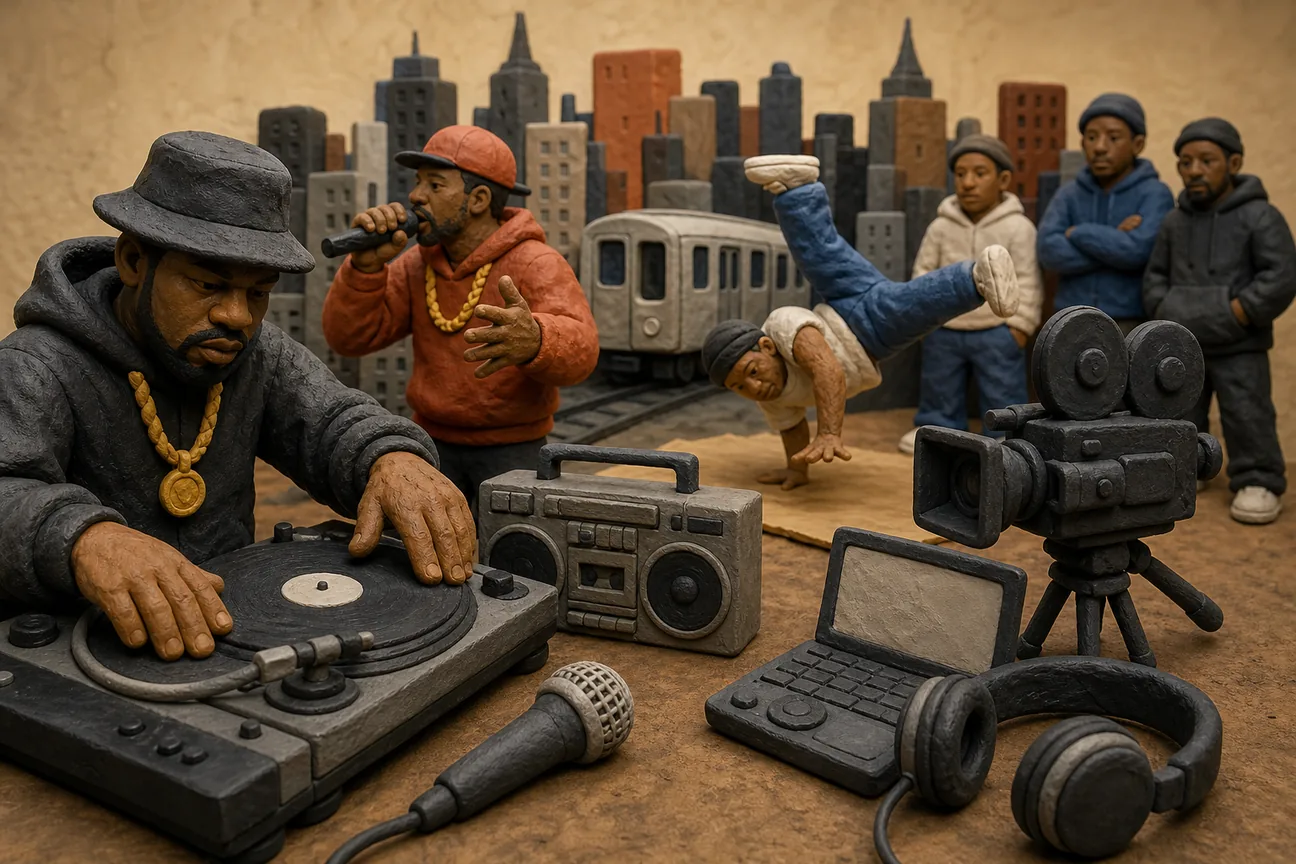
Ask people who grew up in the 1980s and 1990s what Generation X street culture looked like, and you will get a montage: tape decks, oversized jackets, a corner store with a pay phone outside, a car with the bass turned up. The documentary record is more specific than nostalgia. Pimp culture documentaries and Down South street films recorded a generation coming of age in cities where the economy, policing, and music were changing faster than anyone could explain. This guide shows how to read that footage and why the Down South lens matters. I could not verify a film titled Down South Players in the sources behind this guide. The closest match I found is Double Down South, a 2022 gambling drama that is a different movie.
Table of Contents
Quick Takeaways
Key Insight | Explanation |
|---|---|
Gen X street footage was shot before the internet mediated street life | Hustles, rumors, and music moved through face-to-face contact, pagers, and landlines, so the material feels unfiltered and needs careful reading. |
Place every film in its year | Events such as the fall of the Berlin Wall and the first Gulf War shaped the background noise of the era. Ignoring them flattens what subjects were reacting to. |
Judge pimp culture documentaries by their economics | The strongest films explain money, rules, and risk. Watch whether the film shows the cost of the lifestyle or only the image. |
The Down South lens centers local slang and power | Southern cities had their own sound, vocabulary, and economies. Treat regional terms as evidence of who holds authority. |
Separate raw footage from endorsement | A camera records what a subject chose to say. Keep a two-column note of what is said and what the edit shows. |
Confirm the title before you press play | Titles overlap across releases. Check the director, year, and cast, because a search for one film can return a different one entirely. |
Who Generation X Was on the Street
Generation X is usually placed between the mid-1960s and the early 1980s, depending on who is drawing the line. For street culture, the exact birth year matters less than the timing. These viewers hit their teens and twenties before smartphones, when a hustle or a rumor moved through face-to-face contact, pagers, and phone calls from a landline.

The Years That Shaped the Generation
An Art Basel essay on Gen X nostalgia frames the generation's coming of age around political turning points such as the fall of the Berlin Wall and the first Gulf War. Those events matter for street documentaries because they explain the background noise: news on television, shifting jobs, and a sense that the rules were being rewritten. When you watch a 1990s street film, ask what the people on screen think is happening outside their block.
Why Street Life Looks Different on Film
Generation X era footage is built around conversation rather than production. A camera sits in a car, on a stoop, or in a barbershop, and the people talking control the pace. That is why the material feels unfiltered, and also why it can mislead. A raw interview records what someone chose to say to a camera. It is not a neutral view of the whole neighborhood.
Pro tip: Before you trust any street footage, write down three things: the year it was shot, the neighborhood, and who held the camera. Those three details change how you read everything else in the film.
Pimp Culture as a Documentary Subject
Pimp culture documentaries are often read as either celebration or condemnation. Neither reading holds up after you have watched enough of them. The better question is what the material reveals about money, status, and the codes that governed street economies in the period.
Codes, Money, and Loyalty
In the strongest documentaries on this subject, the codes are the story. Rules about who pays whom, how disputes get settled, and what counts as loyalty are explained by people who lived under them. Watch for the moment a subject explains a rule. That moment is worth more than any flashy scene because it shows the logic from the inside.
Where Glamour Ends and Work Begins
Clothes, cars, and jewelry get the most screen time, but they are the least informative part of the frame. The practical information sits in schedules, risks, and the cost of keeping up appearances. A good documentary shows that cost. A weak one lets the image stand in for the argument, and viewers come away with a distorted picture.
Reading the Down South Lens
The Down South lens starts from a simple premise: Southern cities were not a footnote to coastal hip-hop and street media. They had their own economies, slang, sound, and power structures, and national coverage often flattened them into a single image. When a documentary is made from inside that geography, the local details are the evidence.
Regional Slang and Local Power
Pay attention to terms. Regional slang carries information about who holds authority and how status gets earned. A viewer who knows only national street vocabulary will miss the difference between a word used for respect and one used as a warning. Pause the tape, write the phrase down, and check whether the subject uses it the same way in other scenes.
Pro tip: Keep a two-column note while you watch. Put what the subject says on the left and what the editing shows on the right. The gap between those columns is usually where the documentary makes its argument.
Southern Cities Versus Coastal Narratives
Coastal narratives tend to cast the South as a backdrop, or as the source of trends that were later credited to someone else. Down South documentaries push back by putting local voices first. The camera stays on the block longer, interview subjects are named and placed, and music is treated as part of the economy rather than decoration.
The most useful thing a street documentary can do is show how a community explained itself before anyone outside it had a theory.
Documentary Versus Reality Show
Urban documentaries, reality formats, and street interviews all use similar raw material, but they ask different things of the viewer. Mixing them up is the most common mistake I see from newer viewers. A documentary builds an argument over time. A reality series builds tension from episode to episode. A street interview captures a moment and rarely explains it.

Choosing the Right Format for Your Question
If you want to understand a practice, start with long-form documentary, because the runtime lets subjects explain themselves. If you want to see how people perform status for an audience, a reality format shows that more clearly. Street interviews work best for voices and attitudes, but you need context before drawing conclusions from them.
Comparing Three Common Formats
Format | Best For | Main Risk |
|---|---|---|
Long-form hood documentary | Explaining codes, history, and economics | Narration can overwrite the subjects' own explanations |
Urban reality series | Showing how status and conflict play out over time | Editing for drama can distort ordinary routines |
Street interview | Capturing unscripted attitudes and local language | Short clips strip away context and follow-up questions |
None of these formats is more honest than the others. Each shows a different slice of street life, and the value comes from knowing which slice you are watching.
Street Interviews and Unscripted Testimony
Street interviews are the closest thing the genre has to primary records, which makes them valuable and easy to misuse. A single clip can be pulled from a longer conversation and made to say something the speaker did not mean. Treat every quote as one data point until you have heard the surrounding material.
Asking Questions That Get Real Answers
If you are making your own street content, the best questions are concrete. Ask what happened last week, who was involved, and what it cost. Abstract questions such as what the community thinks produce polished answers. Concrete questions produce the detail that makes a film worth watching twice.
Protecting Context in Edited Interviews
Context gets lost in the cut. When a clip ends abruptly or the question is missing, the viewer fills the gap with stereotype. A careful editor keeps the question, keeps the setting, and keeps the speaker's own correction when they make one. That is the difference between testimony and a highlight reel.
Hip-Hop Documentaries and the Sound of the Era
Hip-hop documentaries are often the best entry point to Generation X street culture because the music already holds the timeline. Beats, mixtapes, and local radio show where people gathered and who was gaining status. A film that treats the music as a historical record, not just a soundtrack, usually has more to say.
Tracing Beats Back to Blocks
Many regional sounds began as local circulation, passed hand to hand on tapes and at parties before they reached a national chart. When a documentary traces a track back to a specific block, club, or record store, it shows how the economy of the music worked. Follow the credits and the place names. They are often more reliable than the marketing.
Where the Music Tells the Story
Lyrics reflect the period, but they are not confessions. Listen for what artists repeat, what they avoid, and which local references they assume the audience already knows. Those choices reveal the community's expectations. The best hip-hop documentaries let the car stereo, the record player, and the crowd do part of the explaining.
Watching Raw Urban Films With a Critical Eye
Hood Box Office has been streaming uncut, uncensored hood entertainment since 2003, and the viewing habits that work for this material are the ones this guide describes. Slow down, check dates, and treat each subject as a witness rather than a type. The same rules apply whether you are watching a classic documentary or a newer original series.

A Viewing Checklist
Before you start, note the year, the region, and the director or producer. During the film, mark moments where a subject explains a rule or contradicts an earlier claim. After the film, compare it with one other title from the same period. Patterns that a single watch hides tend to show up quickly this way.
Where a Subscription Fits
Access to uncut material is the main reason people pay for a dedicated service. Premium access at Hood Box Office is $29.99 per month, and whether that is worth it depends on how often you watch. If you return for hip-hop documentaries, urban reality shows, and original series, the monthly cost is easy to justify. If you watch one title a quarter, a pay-per-title approach may suit you better.
Pro tip: Build your watch list by era rather than by title. Start with a 1990s documentary, add a Southern hip-hop film, then compare how the same streets look across the two. Patterns appear much faster when you watch in sequence.
Frequently Asked Questions
What does Generation X street culture mean in documentaries?
It refers to the everyday life, language, music, and economic arrangements of people born roughly between the mid-1960s and the early 1980s, as recorded in street-level film and interview footage. Documentaries from that period capture pre-internet social networks, face-to-face hustles, and local media.
Is pimp culture a legitimate documentary subject?
Yes, but the best films treat it as a study of economics, codes, and risk rather than a glamour showcase. Judge the work by whether it shows costs and consequences, not only the clothes and cars.
What is the Down South lens?
The Down South lens is a way of reading street media from inside Southern cities. It centers local slang, sound, and power structures instead of coastal narratives that often treat the region as a backdrop.
I searched for a Down South Players film and found a different movie. Why?
The closest result I could verify is Double Down South, a 2022 gambling drama. Titles overlap across releases, so check the director, year, and cast before assuming a film matches your search.
How do I watch raw street footage responsibly?
Note the date and location, separate what subjects say from what editors show, and compare the film with another title from the same period before drawing conclusions.
Which Gen X street moment or Down South documentary has stayed with you the longest, and what do you think it got right or wrong?


Comments