
Hood Box Office Free Preview: What You Actually Get

Most people who search for a hood box office free preview want one answer fast: is it worth their time before they pay $19.99 a month? That is a fair question. Free previews in streaming are often vague about what they cover, and a sampler can show polished trailers while hiding the catalog you came for. This guide explains what a free look at Hood Box Office lets you check, what to verify before you enter any payment details, and how to decide whether the full membership fits the way you watch.
Table of Contents
Quick Takeaways
Key Insight | Explanation |
|---|---|
The free access scope is set by the platform, not by a fixed promise | Check the sign-up page and the title list on the day you look, and screenshot what you see because terms change. |
Judge the catalog by genre, not by one title | Test a hood documentary, a street interview segment, and a hip-hop documentary so you know whether each category holds up. |
A free window that asks for billing details is a trial with a renewal date | Note the exact end date the moment you sign up, and set a reminder two days before it. |
"Uncut" is the claim worth testing first | Compare a scene you already know from an edited version with the uncut version to see whether the raw cut matches your expectations. |
The $19.99 monthly price only makes sense for regular viewers | If you only watch once or twice a month, be honest about whether that usage justifies a monthly charge. |
Finish titles instead of sampling them | A trailer shows the production, but a complete episode shows whether the storytelling holds up over time. |
What the Free Preview Covers
The phrase "free preview" covers several different setups, and which one you get determines how useful it is. Some platforms offer a rotating sample of titles with no time limit. Others open a short window into the full library. Many mix the two, showing a handful of featured titles while locking the rest behind a membership.
For Hood Box Office, the exact free access is set by the platform and can change without notice. That makes the sign-up page and the title list you see after logging in the only reliable references. Anything written about the preview, including this article, should be checked against what is live on the day you look.
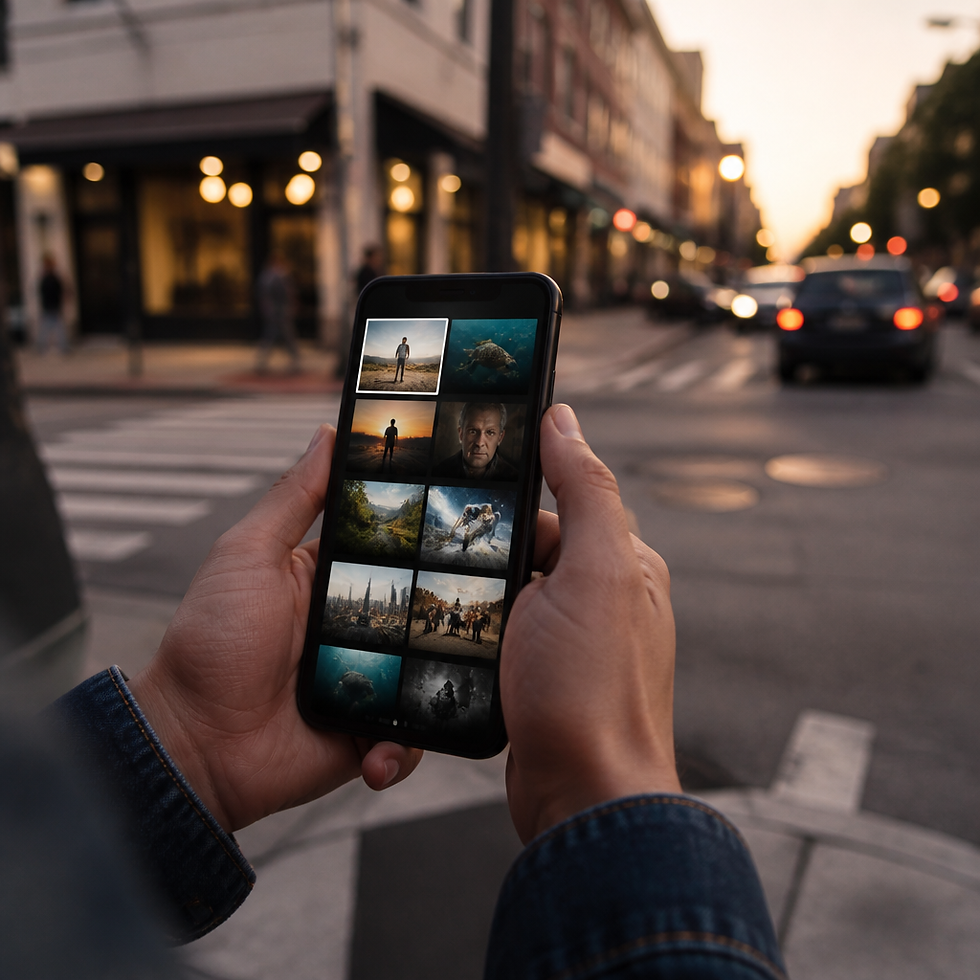
Sampler titles versus a time-limited window
A sampler lets you judge the catalog itself, because the titles stay available as long as the sampler runs. A time-limited window tests your habits instead, since you have to decide how to spend a set number of days. Either way, you learn more by watching a complete piece than by skimming thumbnails.
In practice, the best use of a sampler is to pick one title in each category you care about and finish it. A cold open tells you about the production, but a full documentary tells you whether the storytelling holds. If the free access lets you start titles but not finish them, you have learned something important before paying anything.
What to write down on day one
Before you start watching, record what the free access includes, the title names, and any date or time limit shown on screen. Screenshots work well because platforms revise their pages. Without a record, you will struggle to remember later whether a title was free or behind the paywall.
Pro tip: Create a short note with the date, the titles you watched, and the page where you found the free access terms. If you subscribe later, that note becomes your baseline for checking whether the offer changed.
Testing the Preview Before You Pay
A useful test covers more than one genre. A single documentary can be excellent while the rest of the library is thin, so you need two or three different formats to judge the service fairly. The goal is to see whether the content matches what you came for, not whether one title grabbed your attention.
Plan the test as a short checklist rather than an open-ended browse. Pick a hood documentary, a street interview segment, and a hip-hop documentary if the free access allows it. Watch at least the first twenty minutes of each to see whether the pacing and sound quality keep you engaged.
Payment details and auto-renewal at sign-up
Some free access requires a card, and that changes the risk. If you enter billing details, a free window can convert into a $19.99 monthly charge once it ends, unless you cancel first. Read the renewal language before you confirm, and find the cancellation path before you need it.
A common mistake is treating the sign-up day as the day the clock starts for nothing. Write down the exact date the free access ends, and set a reminder two days earlier. That gap gives you time to decide without a rushed cancellation.
Account setup and what you give up
Creating an account usually means sharing an email address and choosing a password, which is normal for any subscription service. What matters is whether the platform asks for more than you are comfortable giving. Use a password you do not reuse, and make sure the email address you enter is one you check regularly.
Free access is worth exactly as much as the test you run on it. A preview you never really examined is just a banner you clicked.
Uncut Content Explained
"Uncut" and "uncensored" are the core of what this platform offers, and they are also the claims viewers most often misunderstand. In this context, uncut means the material is presented without the editing that removes language, scenes, or subjects a broadcaster or general-audience platform would trim. It does not mean every title has the same length or intensity.
Testing this claim is simple. Pick a subject you have already seen edited for television or a mainstream clip, then look for the same conversation or scene in the uncut version. You will notice the difference in pacing, pauses, and the unfiltered language that editors normally remove.
Why uncut matters for documentaries
Documentaries depend on the parts that get cut. A subject who pauses before answering, or a street interview where the answer runs long, loses its meaning when trimmed to fit a time slot. Uncut presentation keeps the context that makes a story believable.
Viewers who care about authentic street culture usually notice this within a few minutes. The difference is less about shock and more about whether the people on screen sound like themselves.
Content warnings and adult themes
Uncut material includes adult language, violence, and frank talk about drugs, crime, and sex. Those themes are part of why the content exists, but they are not for every viewer or every household. If you watch with others, read the title description and decide in advance what you are comfortable playing.
Pro tip: Start any new title with the volume set low enough that you can adjust it quickly. Uncut audio can jump in intensity, and setting the level before you begin saves you from a surprise in a shared room.
Hood Documentaries and Street Interviews
Hood documentaries are the format most people have in mind when they search for this kind of platform. They tend to follow a neighborhood, a community, or a single person over time, and they rely on direct speech more than narration. The strongest examples let residents explain their own situation in their own words.

Hood documentaries as a viewing format
A good hood documentary has a clear spine, usually one question or one place. Watch for whether the film stays with the people it is about or drifts into easy generalizations. The best ones let contradictions stand, which is what makes them worth rewatching.
When you test a documentary during the free access, time it. A film that holds your attention for the first half hour usually earns the rest of its runtime. One that loses focus early is a sign to move on to the next title.
Street interviews and urban reality shows
Street interviews are short, direct, and often unpolished, which is exactly the point. They capture opinion, humor, and argument in the moment, without the framing a studio would add. For a viewer who wants the unfiltered version of a conversation, that rawness is the product.
Urban reality shows sit between documentary and entertainment. They are built around personalities and situations, so the episode structure matters more than any single moment. Check whether the second episode keeps the energy of the first before you decide the series is for you.
Hip-Hop Documentaries and Original Series
Hip-hop documentaries cover the music, the people who made it, and the places that shaped it. For viewers already deep in the culture, these titles are often the main reason to subscribe, because they add context that playlists and short clips leave out. Original series extend that approach into longer story arcs.
Hip-hop documentaries and the context they add
The strongest hip-hop documentaries explain why a sound or a movement happened, not just who was involved. Look for interviews with people who were there and archival material that is clearly sourced. If a film only repeats what is already known, it will feel thin.
In practice, compare the documentary to what you already know. If you can name the key events before the film does, judge whether it adds new detail or simply restates the familiar story.
Original series made by and for street culture
Original series built by people from the culture tend to have a different rhythm than general-audience productions. Scenes often run longer, and the dialogue sounds like the neighborhoods it depicts. That authenticity is the main reason to prefer them over imitations.
A practical test is to watch an episode from the middle of a season, not the premiere. Premieres are built to hook, while middle episodes show whether the writing and characters can carry a longer run. If the middle episode works, the series is probably worth a membership.
Free Versus Paid Urban Streaming
Viewers who want hood content have a few realistic options. The free preview is one. Ad-supported free services are another, though their libraries are usually built for broad audiences rather than uncut street culture. A full paid membership at $19.99 per month sits at the top, and the right choice depends on how often you watch and how specific your tastes are.
Consumer Reports notes that constant price and plan changes can make choosing a streaming service complicated, which makes any comparison a snapshot. Check current terms for every option before you decide. The table below compares the three approaches on the points that matter most to this audience.
How the three options compare
Option | What You Typically Get | Best For |
|---|---|---|
Free preview | Limited access set by the platform, which can change | Testing the catalog and genre fit before paying |
Ad-supported free services | Broad general libraries with ads, usually not built around uncut street culture | Casual viewing on a budget |
Full membership at $19.99 per month | Access to uncut hood documentaries, urban reality shows, street interviews, and original series | Regular viewers who want the full catalog |
For most viewers the decision comes down to frequency. If you watch occasionally, the free preview may cover your needs for a while. If you return several times a month, the membership becomes easier to justify, especially since much of this catalog is hard to find elsewhere.
When a general free service makes more sense If you mostly want mainstream films or background viewing, a general free service will serve you better than a niche catalog. There is no shame in that choice. The mistake is paying for a specialty platform and then watching general content on it.
Turning a Free Look Into a Decision
A free look is only useful if it ends in a clear decision. The aim is to finish the test with a yes, a no, or a specific reason to wait. Vague impressions tend to lead to either an impulse subscription or an abandoned account.
Use the notes you made on day one. Compare the titles you finished against the titles you abandoned, and identify the format that held your attention best. That pattern tells you more than any single recommendation.

A two-evening test plan
Spread the test across two evenings so you can see how the catalog feels on different days. On the first evening, watch one documentary and one street interview segment. On the second, try an original series episode or a hip-hop documentary you have not seen before.
After each session, write one sentence about what you would tell a friend. If the sentences are specific and enthusiastic, a full month of membership is probably worth testing. If they are polite and vague, wait.
When to upgrade and when to wait
Upgrade when you have finished at least two titles you would rewatch and you can name the genres you want most. Wait if the content only interested you in passing, or if the free access ended before you found a favorite. Waiting costs nothing, and the catalog will still be there.
Pro tip: Set a calendar reminder for the day before any paid period begins, and decide then whether to renew. Making that call ahead of time keeps the decision based on what you watched, not on the mood of the moment.
Frequently Asked Questions
Is the hood box office free preview permanent?
Not necessarily. Free access is set by the platform and can change, so check the sign-up page and the title list on the day you visit. Treat any free access as a current offer, not a guaranteed feature.
Do I need to enter a credit card to start the free preview?
That depends on the current sign-up terms, which can change. If billing details are requested, read the renewal language closely and note the date the free access ends. Cancel before that date if you do not plan to subscribe.
Can I watch uncut hood documentaries without paying for the full membership?
Only if the current free access includes those specific titles. Look at the title list when you log in, and watch a documentary through to the end to judge whether the format suits you before you decide.
Is the $19.99 monthly membership worth it for casual viewers?
For regular viewers, it usually makes sense, especially if you want titles that are hard to find elsewhere. For occasional viewers, use the free access first and wait until you have a clear list of titles you want to watch.
What kind of content should I expect from the uncut library?
Expect hood documentaries, urban reality shows, street interviews, hip-hop documentaries, and original series made for street culture audiences. Because the uncut presentation keeps language and scenes that editing would normally trim, content warnings matter. Check each title's description before playing it with others.
How is this different from general free streaming services?
General free services usually build libraries for broad audiences, while this platform focuses on uncut content for street culture viewers. If you want mainstream films, a general free service is the better fit. If you want authentic urban content, the specialty catalog is the reason to look here.
Tell us in the comments which format you tested first and whether the free look changed your mind about subscribing.


Comments